Home / Best Time to Visit Jordan
Travel guide
Best Time to Visit Jordan: Weather by Month and Season
In short: The best time to visit Jordan is March to May or September to November, when Petra and Amman see daytime highs in the low to mid 20s °C. Summer suits the Red Sea and early starts, and winter is quiet and cheaper but brings rain, cold desert nights and the occasional flash-flood closure.
Choosing the best time to visit Jordan comes down to one fact: the country packs three climates into a few hours of driving. Amman and Petra sit on high ground and get real winters. The Dead Sea lies more than 400 meters below sea level and stays warm in January. Aqaba, on the Red Sea, is hot most of the year. Below you will find average temperatures for each, what every season is like, and which months suit each part of a trip.
Jordan’s three climates
The highlands are where most sights are: Amman, Jerash, Madaba, Kerak and Petra. Wadi Musa, the town beside Petra, lies between 1,050 and 1,450 meters above sea level (Wikipedia), which is why Petra can be pleasant in May while the Dead Sea is already hot. These places have warm, dry summers and cool, wet winters.
The Jordan Valley and the Dead Sea form a deep trough below sea level. The air is dry, rainfall averages under 50 mm a year, and winter days stay mild (Wikipedia). The south, from Wadi Rum to Aqaba, is desert. Aqaba averages under 30 mm of rain a year (Wikipedia), and summer afternoons there pass 40 °C.
Average temperatures by month
The table shows average daily highs and lows in °C for four places most visitors see. Amman figures are from the city’s civil airport, Petra from Wadi Musa, and the Dead Sea from Sedom on its southern shore.
| Month | Amman | Petra (Wadi Musa) | Dead Sea | Aqaba |
|---|---|---|---|---|
| January | 13 / 4 | 11 / 2 | 21 / 13 | 21 / 10 |
| February | 14 / 5 | 13 / 3 | 22 / 14 | 23 / 11 |
| March | 18 / 8 | 17 / 6 | 25 / 17 | 26 / 14 |
| April | 24 / 11 | 21 / 9 | 30 / 21 | 32 / 18 |
| May | 28 / 15 | 25 / 12 | 34 / 25 | 37 / 22 |
| June | 31 / 19 | 29 / 14 | 38 / 28 | 40 / 25 |
| July | 33 / 21 | 30 / 16 | 40 / 30 | 41 / 27 |
| August | 33 / 21 | 30 / 17 | 39 / 30 | 41 / 27 |
| September | 31 / 19 | 28 / 14 | 37 / 28 | 39 / 25 |
| October | 27 / 15 | 25 / 11 | 32 / 25 | 34 / 21 |
| November | 20 / 10 | 18 / 7 | 27 / 19 | 28 / 15 |
| December | 15 / 6 | 13 / 3 | 22 / 14 | 22 / 11 |
Two things stand out. Petra is the coolest of the four in every month, and Aqaba in January is about as warm as Amman in late April. That gap is what makes a winter trip work: you can sightsee in the highlands in a jacket, then end the week on a warm beach.
Spring: March to May
Spring is the season most travelers aim for, and for good reason. Daytime highs in Petra climb from about 17 °C in March to 25 °C in May, and rain becomes rare after March. The Jordan Tourism Board names March to May and September to November as the most comfortable months (Jordan Tourism Board).
The catch is crowds. Spring draws the largest numbers of the year along with autumn, so book hotels near Petra early and reach the Siq at opening time. Late May already feels hot at the Dead Sea and in Aqaba, where average highs pass 34 °C.
Summer: June to August
Summer is hot almost everywhere except the higher towns. Petra averages about 30 °C in July, while the Dead Sea and Aqaba both reach around 40 °C. The Tourism Board notes that Petra’s afternoons are often above 35 °C, though mornings stay pleasant (Jordan Tourism Board).
Summer has advantages too. The same source reports fewer visitors and lower hotel rates in Petra. It is also the season for the Wadi Mujib water trails, which open only in summer, depending on conditions (Jordan Tourism Board). If you travel now, start sightseeing at dawn, rest at midday and save the Red Sea for the afternoons.
Autumn: September to November
Autumn mirrors spring. September is still warm, with Petra averaging about 28 °C, and by November highs drop to around 18 °C. Crowds build through October and ease in late November (Jordan Tourism Board).
This is a good season to combine everything: comfortable walking in Petra, warm sea in Aqaba, and evenings in Wadi Rum that are cool rather than cold. The first winter rains usually arrive in November, so carry a light waterproof late in the season.
Winter: December to February
Winter is the quietest season in Petra (Jordan Tourism Board), and many visitors are surprised by how cold the highlands get. Petra averages highs of 11 °C in January with lows close to freezing, and West Amman receives most of its yearly rain between December and February (Wikipedia). Snow falls in Amman once or twice in a typical year.
Heavy rain can also close Petra’s Siq for a short time because of flash floods (Jordan Tourism Board). Keep a spare day in your plan if Petra falls in winter. On the other hand, the Dead Sea and Aqaba stay around 21 °C in January, which makes winter a fine time for a split trip of highland sights and warm-weather rest.
The best time to visit each place
| Place | Best months | Why |
|---|---|---|
| Petra | March–May, Sept–Nov | Comfortable walking; avoid midday heat in summer |
| Wadi Rum | March–May, Sept–Nov | Warm days and mild nights at the camps |
| Dead Sea | October–April | Warm in winter; very hot in summer |
| Aqaba | October–May | Winter highs around 21–23 °C |
| Wadi Mujib water trails | Summer season | Open only in summer, weather permitting |
| Dana | Mid-March to October | Rummana Campsite and its trails open 15 March to 31 October |
| Jerash and Amman | March–May, Sept–Nov | Little shade at Jerash; winters are wet |
Dana’s campsite and its trails open from 15 March to 31 October, depending on the weather (RSCN). Jerash also hosts a three-week summer festival of music, dance and theatre, held since 1981 (Wikipedia), which is a reason to plan a visit in July or August despite the heat.
Ramadan and public holidays
Ramadan follows the lunar calendar and moves about eleven days earlier each year. In 2027 it is expected to begin around 8 February, with Eid al-Fitr around 9 March, subject to the moon sighting (Jordan News).
Visiting during Ramadan is entirely possible. Sites stay open, but timetables can shift: the JETT bus to Petra, for example, changes its times during Ramadan and on holidays (Jordan Tourism Board). Out of respect, avoid eating, drinking or smoking in public during daylight, and expect busy roads just before sunset as people head home to break the fast.
What to pack for each season
| Season | Pack |
|---|---|
| Spring and autumn | Layers: a T-shirt for the afternoon and a fleece for early mornings in Petra and evenings in Wadi Rum. A sun hat and good walking shoes. |
| Summer | A wide-brimmed hat, sunscreen, a refillable water bottle and light clothes that cover shoulders and knees. Water shoes if you plan to walk the Mujib Siq. |
| Winter | A warm jacket, a hat and gloves for the highlands, a waterproof layer, and shoes with grip for wet stone in Petra and Jerash. Swimwear still, for the Dead Sea and Aqaba. |
Whatever the month, bring clothing that covers shoulders and knees for churches, mosques and the more traditional towns, and water shoes for the stony beaches of the Dead Sea.
Crowds and prices through the year
- Spring and autumn: the busiest seasons, with the highest demand for hotels near Petra and camps in Wadi Rum.
- Summer: fewer visitors and lower hotel rates in Petra, according to the Tourism Board.
- Winter: the quietest months, December to February, with the most space at the sites.
Hotel prices follow that demand, so book early for April and October. If you want mild weather with fewer people, early March and late November are good compromises.
Questions about the best time to visit Jordan
What is the best month to visit Jordan?
April and October are hard to beat. Both have warm, dry days in Petra and Amman, warm sea in Aqaba, and pleasant evenings in the desert.
Is Jordan too hot in summer?
Petra and Amman reach about 30–33 °C in July, which is manageable with early starts. The Dead Sea and Aqaba reach around 40 °C, so plan beach time for the morning or late afternoon.
Does it snow in Jordan?
Yes, occasionally. Amman sees snow once or twice in a typical year, and the highlands around Petra and Dana can get cold snaps in winter.
Can I visit Petra in winter?
Yes. Winter is the quietest season. Dress warmly, expect cold mornings, and keep a spare day in case rain closes the Siq for a few hours.
Is Ramadan a bad time to visit Jordan?
No. Sites and hotels stay open. Check timetables, as some change, and be discreet about eating and drinking in public during the day.
Conclusion
The best time to visit Jordan for most people is spring or autumn, but every season works with the right plan. Choose your months by what matters most: walking in Petra, warm water in Aqaba, the Mujib canyons or a quiet winter trip. Then see our Jordan travel packages for routes that fit the time you have, or ask us on WhatsApp and we will suggest a route for your dates.
Plan your trip
5 days
5-Day Jordan Itinerary
Amman, Jerash, the Dead Sea, Madaba, Petra and Wadi Rum at a steady pace.
From $600 per car See tour →
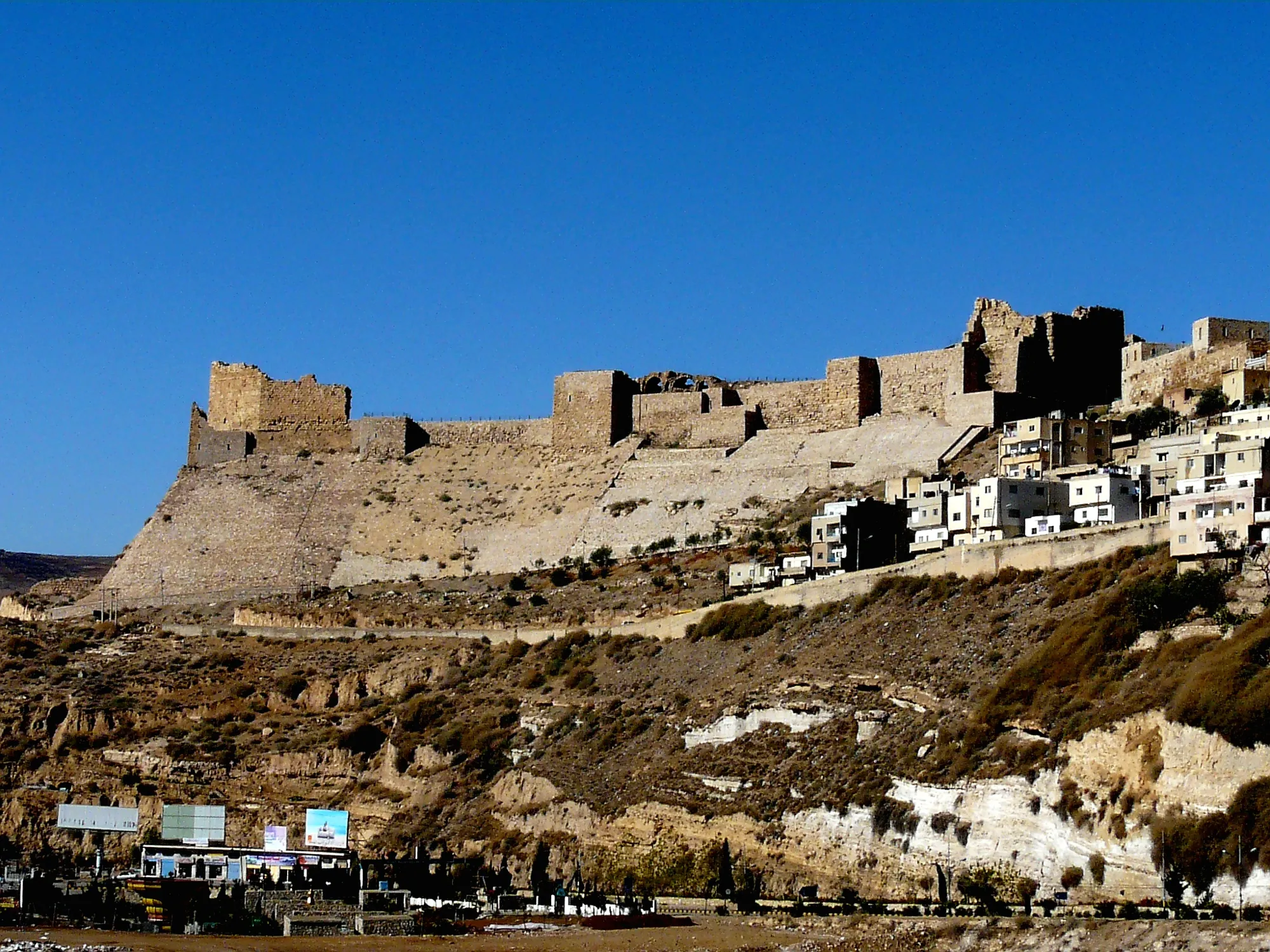
7 days
7-Day Jordan Itinerary
Amman, Jerash, the King’s Highway, Petra, Wadi Rum, Aqaba and the Dead Sea in one week.
From $850 per car See tour →
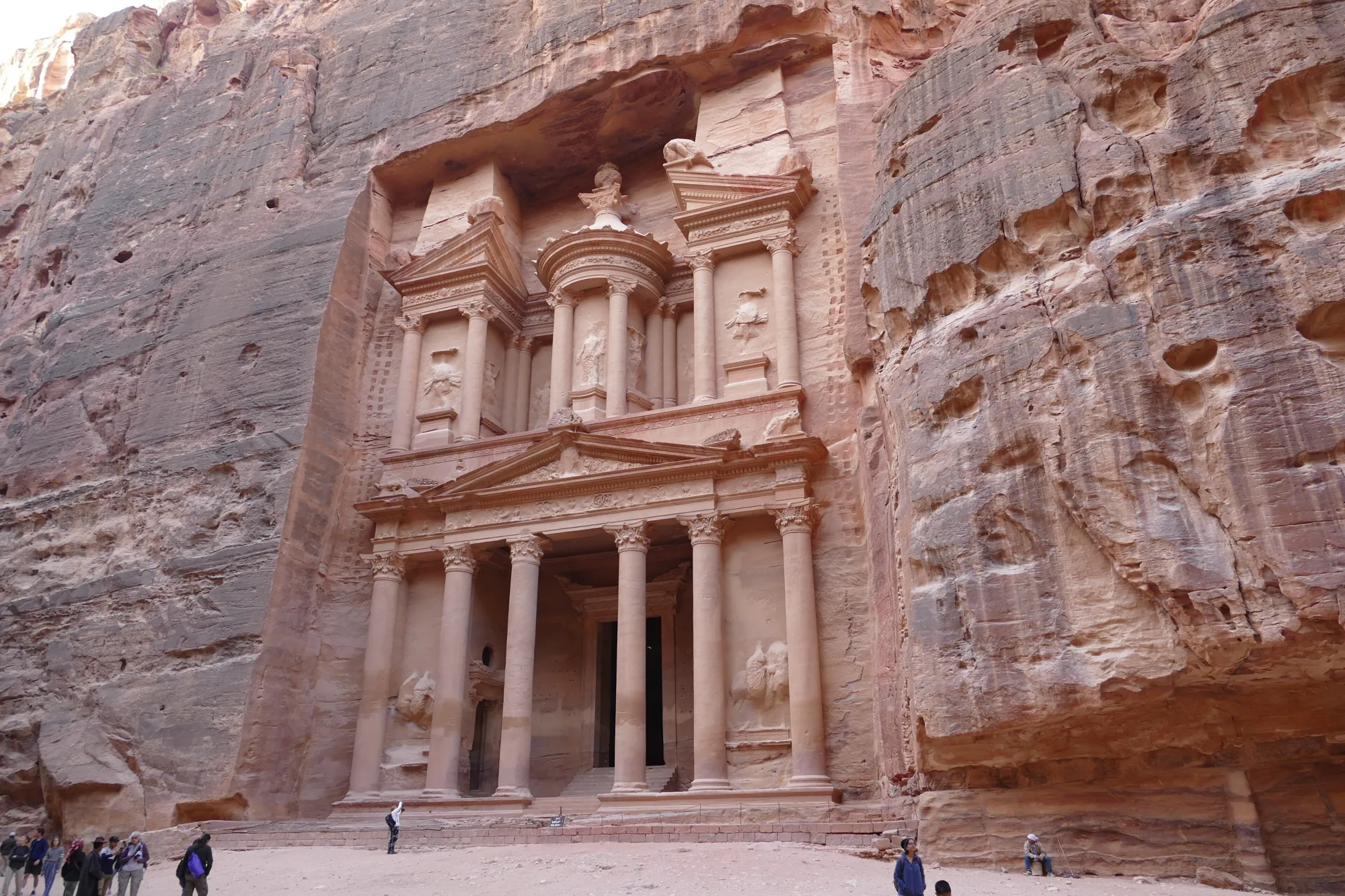
Full day
Petra Tours
A day trip to Petra from Amman, Aqaba or the Dead Sea, with your driver waiting while you explore.
From $150 per car See tour →
Sources
- Wikipedia: Amman, climate data
- Wikipedia: Wadi Musa, climate data
- Wikipedia: Dead Sea, climate data
- Wikipedia: Aqaba, climate data
- Jordan Tourism Board: Best time to go to Petra
- Jordan Tourism Board: Wadi Mujib
- Jordan Tourism Board: How to get to Petra
- RSCN: Dana Biosphere Reserve 2025 rates
- Jordan News: Expected start of Ramadan 2027
- Wikipedia: Jerash
Free quote
Plan your Jordan trip
Fill in the form and WhatsApp opens with your request ready to send.
[jt_quote service=”Multi-day package”]